
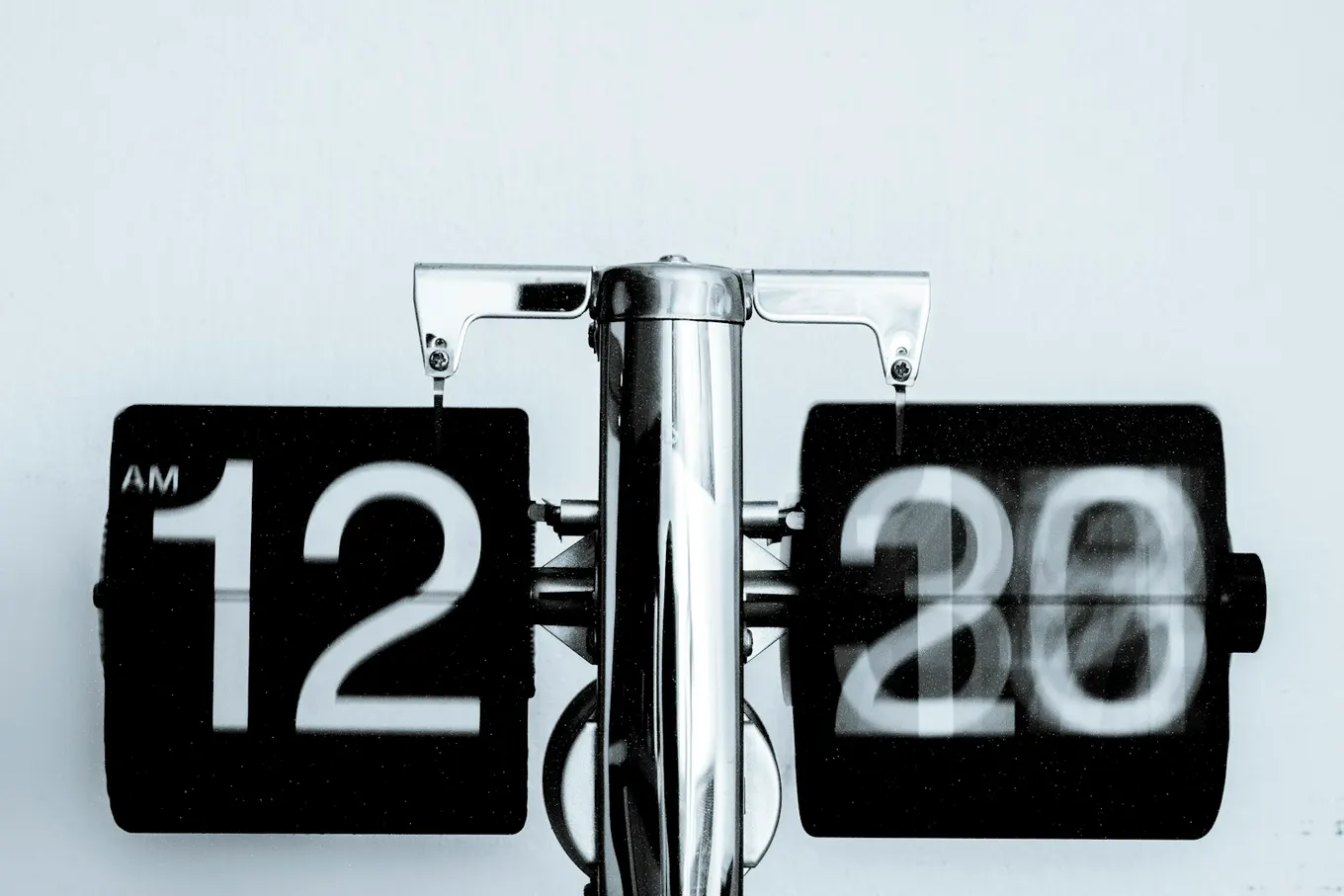
Furniture giant and conspiracy-theory favourite Wayfair ran "Daily Deals" and 24-hour "Flash Deals," complete with the sort of aggressive ticking countdown timers and scarcity copy to match ("Here Today, Gone Tomorrow") that drives users like cattle aggressively towards add-to-bag buttons. Then the timer ran down to zero and for many of those products the price was unchanged. Sometimes it actually went lower! The deal had been here today and also, as it happens, was here tomorrow.
On 14 October 2026 the Competition and Markets Authority (CMA) fined Wayfair £4.8 million for it. Wayfair admitted breaking the law and settled early knocking 40% off the penalty.
Appliances Direct (£1.2 million) had been just automatically opting customers into (paid, chargeable) extras. Their old-appliance removal and recycling service, installation on delivery, sometimes both were pre-ticked in the checkout. It also ran pop-up banners offering £10 to £25 off for a "limited time" using discount codes which turned out to... not be limited. The CMA's summary was admirably blunt "Pre-ticked boxes and other forms of automatic opt-in are not allowed." Appliances Direct is now refunding about £432,000, an average of £25 a customer.
And then, for the muscle fanciers out there, Gold's Gym (UK) Limited, a franchise of four London gyms, was fined £45,000 for leaving their joining fee out of the advertised price of annual and Direct Debit memberships (an example of drip pricing). It is refunding £9,220 to 726 members.

All three firms admitted their breaches and settled early. "The time is up for this kind of behaviour" said Hayley Fletcher, CMA Senior Director for Consumer Protection, which is a banger of a "countdown" joke whether or not she meant it to be one.
The CMA says it has now imposed more than £12 million in fines and secured nearly £2.4 million in refunds in 18 months under its new consumer powers. Fines can reach 10% of a firm's global turnover, or £300,000 (whichever is higher).
Meanwhile, across the Atlantic, the US Federal Trade Commission has started their Christmas shopping by shopping for information. On 28 October it sent Section 6(b) orders to nine companies: Delta, United, JetBlue, Lyft, Uber, DoorDash, Instacart, Target and Walmart. Their orders ask whether the price of a ticket, ride or delivery varies from person to person based on things like loyalty programme membership or analysis of personal data, and whether ride-share and delivery firms use drivers' data, such as phone usage or their history of accepting offers, to set pay. Each company has 45 days to explain the inputs, tools and procedures behind its prices and pay.
A 6(b) order is a study, which the FTC describes as having "no specific law enforcement purpose" and the release alleges no wrongdoing by any of the nine, but you only have to look at that collection of companies to understand that the FTC is very, very interested in machine-learning-driven dynamic pricing both as it affects the consumer and the worker. Any business found to be targeting users this way should be concerned that "does the price change depending on who's asking?" is now a question that their regulator wants to be answered on paper. That is reinforced by recent midterm election results as typically consumer and worker protections have grown under Democratic leadership in the house and senate.
As we gear up for Black Friday and Cyber Monday in the UK the CMA has sent the whole of UK online retail a letter, just in time for "the Christmas shopping period." They want to be crystal clear that "The first price consumers see should be the price they pay." The letter explicity lists practices that the CMA is watching for, including delivery charges that only appear late in checkouts and information about optional delivery charges tucked behind links, pop-outs or drop-down menus. The CMA already has four drip-pricing cases under its belt with more than £5.1 million in fines and more than £1.35 million refunded. I believe that amount will grow in the new year as enforcement begins against brands who decide to make money with dodgy tactics instead of with good practice, trustbuilding and authentic and genuine customer experiences.

It has always been the position of AWIP that we don't screw over customers by testing deceptive design to mislead and decieve customers. Countdowns are fine, stock notifications are fine, genuine pricing is fine. Misleading customers? That's fined!

Jon Crowder runs Another Web Is Possible.
Sources
- CMA fines firms £6 million for misleading sales tactics, CMA, 14 October 2026
- FTC launches personalized pricing and compensation inquiry, FTC, 28 October 2026
- Open letter to online retailers on including mandatory delivery fees in the total price, CMA, 2 November 2026